|
|
马上注册,结交更多好友,享用更多功能,让你轻松玩转社区。
您需要 登录 才可以下载或查看,没有账号?注册

×
作者:微信文章
The Dark Side of AI Beauty Filters
When you take a photo with a modern smartphone, there's a chance it will use AI to improve it.
For example, Samsung's "100x Space Zoom" lets you take highly detailed photos of things very far away, like the moon. However, you won't get a true photograph — because some of the details are filled in with AI.
Some phones, in particular those made for Asian markets, take this further, offering automatic AI "beauty filters." These work by identifying and mapping facial features before superimposing digitally generated layers onto the subject's face.
They can make it look like someone has smoother skin, change their face shape and resize features like eyes and lips. They can even apply virtual makeup. These filters can also change the lighting and coloring of an image to make it look more professional — and all of this happens in an instant.
As well as being packaged into smartphone software, beauty filters have been common on social media for some time. TikTok has a "skinny filter," while Instagram offers a "perfect face filter."
Filters offer an easy way to get a pretty picture. But much like the AI-enhanced moon, it won't be real. And experts warn that beauty filters could even be a risk to mental health. Regular use of them has been associated with anxiety, depression and body image issues.
One study from 2024, published in Computers in Human Behavior, examined the effect of beauty filters on young women aged 18 to 25. It found that using beauty filters on their own faces decreased participants' body satisfaction.
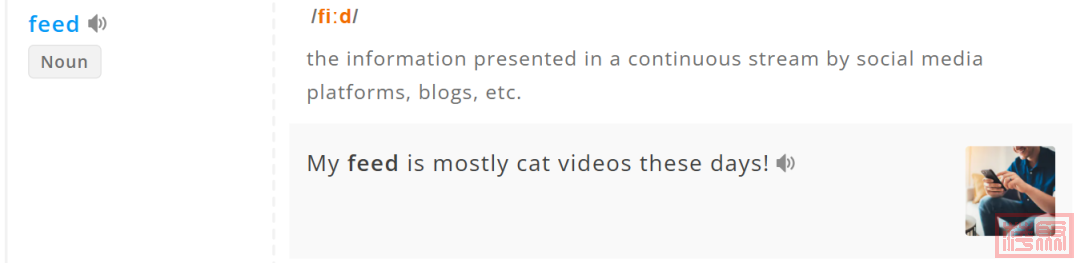
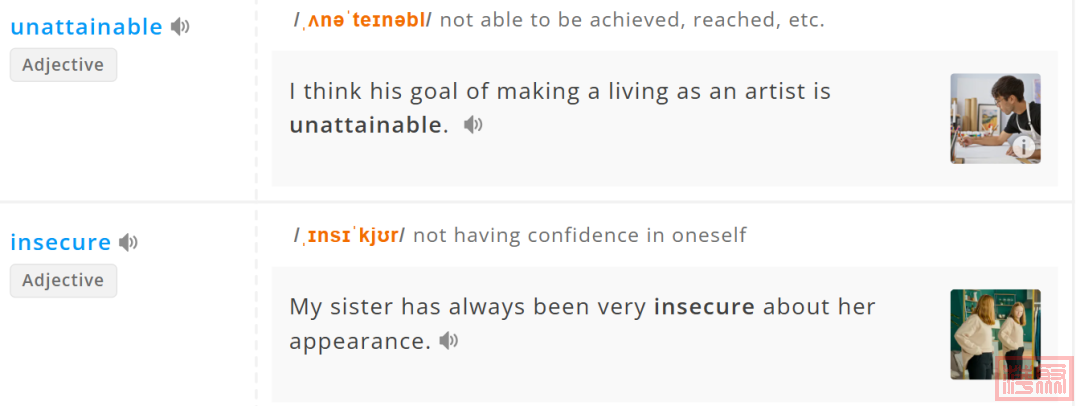
Also, a social media feed full of digitally enhanced photos can drive unattainable beauty standards, which can make users — especially young people — feel insecure and inadequate.
Some countries are fighting back. In the UK, influencers now have to say if they're using beauty filters for paid content, especially if the filter might make the product they're advertising seem more effective. Both Norway and France have introduced similar rules.
Considering how common AI filters are, modern beauty may only be screen deep.
The Dark Side of AI Beauty Filters
AI 美颜滤镜的阴暗面
When you take a photo with a modern smartphone, there's a chance it will use AI to improve it.
用现代智能手机拍照时,设备很可能会借助 AI 进行画质优化。
For example, Samsung's "100x Space Zoom" lets you take highly detailed photos of things very far away, like the moon. However, you won't get a true photograph — because some of the details are filled in with AI.
比如三星的 “100 倍空间变焦”,能拍摄极远处物体的高清照片,例如月亮。但你得到的并非真实照片 —— 因为部分细节是由 AI 补全的。
Some phones, in particular those made for Asian markets, take this further, offering automatic AI "beauty filters." These work by identifying and mapping facial features before superimposing digitally generated layers onto the subject's face.
一些面向亚洲市场的手机,更是在此基础上更进一步,搭载了自动 AI “美颜滤镜”。这类滤镜会先识别并勾勒面部特征,再将数字生成的图层叠加到人脸之上。

They can make it look like someone has smoother skin, change their face shape and resize features like eyes and lips. They can even apply virtual makeup. These filters can also change the lighting and coloring of an image to make it look more professional — and all of this happens in an instant.
它们能让皮肤看起来更光滑、改变脸型、调整眼睛和嘴唇等五官大小,甚至还能添加虚拟妆容。滤镜还能调整照片的光线与色彩,让画面更显专业 —— 而这一切都在瞬间完成。
As well as being packaged into smartphone software, beauty filters have been common on social media for some time. TikTok has a "skinny filter," while Instagram offers a "perfect face filter."
除了内置在手机系统中,美颜滤镜在社交媒体上也早已普及。抖音有 “瘦身滤镜”,Instagram 则推出了 “完美脸型滤镜”。
Filters offer an easy way to get a pretty picture. But much like the AI-enhanced moon, it won't be real. And experts warn that beauty filters could even be a risk to mental health. Regular use of them has been associated with anxiety, depression and body image issues.
滤镜能轻松拍出好看的照片,但和 AI 优化后的月亮照片一样,这些画面都不真实。专家警告,美颜滤镜甚至可能危害心理健康:长期使用与焦虑、抑郁以及身体形象问题相关。

One study from 2024, published in Computers in Human Behavior, examined the effect of beauty filters on young women aged 18 to 25. It found that using beauty filters on their own faces decreased participants' body satisfaction.
2024 年发表于《计算机与人类行为》的一项研究,调查了美颜滤镜对 18 至 25 岁年轻女性的影响。结果显示,给自己使用美颜滤镜会降低参与者的身体满意度。
Also, a social media feed full of digitally enhanced photos can drive unattainable beauty standards, which can make users — especially young people — feel insecure and inadequate.
此外,满屏都是 AI 精修照片的社交媒体,会催生难以企及的审美标准,让用户(尤其是年轻人)产生不安与自我否定感。
Some countries are fighting back. In the UK, influencers now have to say if they're using beauty filters for paid content, especially if the filter might make the product they're advertising seem more effective. Both Norway and France have introduced similar rules.
部分国家已开始采取应对措施。在英国,网红发布商业推广内容时,若使用了美颜滤镜必须如实标注,尤其是滤镜可能让所推广产品效果更显出众时。挪威和法国也出台了类似规定。
Considering how common AI filters are, modern beauty may only be screen deep.
考虑到 AI 滤镜如今无处不在,现代意义上的 “美”,或许只停留在屏幕之上。 |
|
 简体中文
简体中文 繁體中文
繁體中文 English
 Deutsch


 窥视卡
窥视卡 雷达卡
雷达卡 发表于 2026-2-16 03:12
 提升卡
提升卡 置顶卡
置顶卡 沉默卡
沉默卡 喧嚣卡
喧嚣卡 变色卡
变色卡 抢沙发
抢沙发 千斤顶
千斤顶 显身卡
显身卡